

Reverse osmosis systems for home use can reduce many dissolved contaminants, improve drinking-water taste, and provide convenient filtered water for everyday use. However, not every household needs reverse osmosis. The right choice depends on your water quality, the system’s certified contaminant-reduction capabilities, and your household’s needs.
When you pour a glass of water from your kitchen faucet, you probably expect it to taste fresh and clean. But depending on your water source, dissolved minerals, chlorine-related tastes, or certain contaminants can affect your drinking-water experience.
Reverse osmosis systems for home use offer a practical way to address many of these concerns. With multiple filtration stages and a specialized membrane, RO systems can reduce substances that conventional filters may not remove effectively.
For homeowners in Western Washington, reverse osmosis can be especially useful when water testing identifies a contaminant that requires targeted treatment.
Before choosing a system, though, it helps to understand how reverse osmosis works, what it can reduce, and whether it is the best solution for your home.
Quick Facts About Home Reverse Osmosis Systems
How Do Reverse Osmosis Systems for Home Use Work?
Reverse osmosis is a water treatment process that uses pressure to move water through a semipermeable membrane. The membrane allows water to pass while rejecting many dissolved substances.
Most residential RO systems include several treatment stages:
- Sediment filtration: Captures suspended particles such as dirt, rust, and sediment.
- Carbon pretreatment: Helps reduce chlorine and certain other substances that can affect taste or membrane performance.
- RO membrane: Reduces many dissolved salts, minerals, and contaminants.
- Post-filtration: Helps improve the taste of treated water before it reaches the faucet.
- Optional remineralization: Some systems add minerals back to adjust the water’s taste and mineral content.
The process creates two streams: treated drinking water and a concentrated wastewater stream that carries rejected substances to the drain.
Unlike a basic pitcher filter, an RO system can address many dissolved contaminants that require more than conventional carbon filtration.
What Contaminants Can Reverse Osmosis Reduce?
One of the biggest advantages of a water filtration system for home use that includes reverse osmosis is its ability to reduce a variety of dissolved substances.
However, not every RO system has the same capabilities. Verify contaminant-reduction claims through independent testing and certification.
Lead
Lead can enter drinking water through certain plumbing materials, fixtures, and connections. An RO system certified for lead reduction can help lower lead concentrations at the drinking-water tap.
Arsenic
Arsenic can occur naturally in groundwater. Certain RO systems can reduce specific forms of arsenic, although treatment effectiveness depends on the system and the water’s chemistry.
Nitrate
Nitrate can enter groundwater from fertilizers, septic systems, and other sources. Appropriately certified reverse osmosis systems may effectively reduce nitrate for some private-well households.
PFAS
Some RO systems are certified to reduce specific per- and polyfluoroalkyl substances, commonly called PFAS. Homeowners should verify the exact compounds covered by a system’s certification.
Dissolved Minerals and Salts
Reverse osmosis can reduce total dissolved solids, including many naturally occurring salts and minerals. This changes the mineral content and sometimes the taste of drinking water.
Choose an RO system certified under NSF/ANSI 58 and confirm that its performance documentation specifically lists the contaminants you want to reduce. Certification to the standard does not automatically mean the system is certified for every possible contaminant.
Five Benefits of Reverse Osmosis Water Systems for Home Use
1. Better-Tasting Drinking Water
Unwanted tastes can make ordinary tap water less appealing. RO systems can reduce dissolved substances that contribute to certain taste concerns, while included carbon filtration can help address chlorine-related tastes and odors.
For many homeowners, the result is more enjoyable water for drinking, cooking, coffee, and tea.
2. Targeted Contaminant Reduction
When water testing identifies a contaminant that an appropriately certified RO system can reduce, the technology can provide targeted treatment directly at the drinking-water faucet.
This makes reverse osmosis particularly valuable for homeowners who need more than basic taste and odor filtration.
3. Convenient Drinking Water at Home
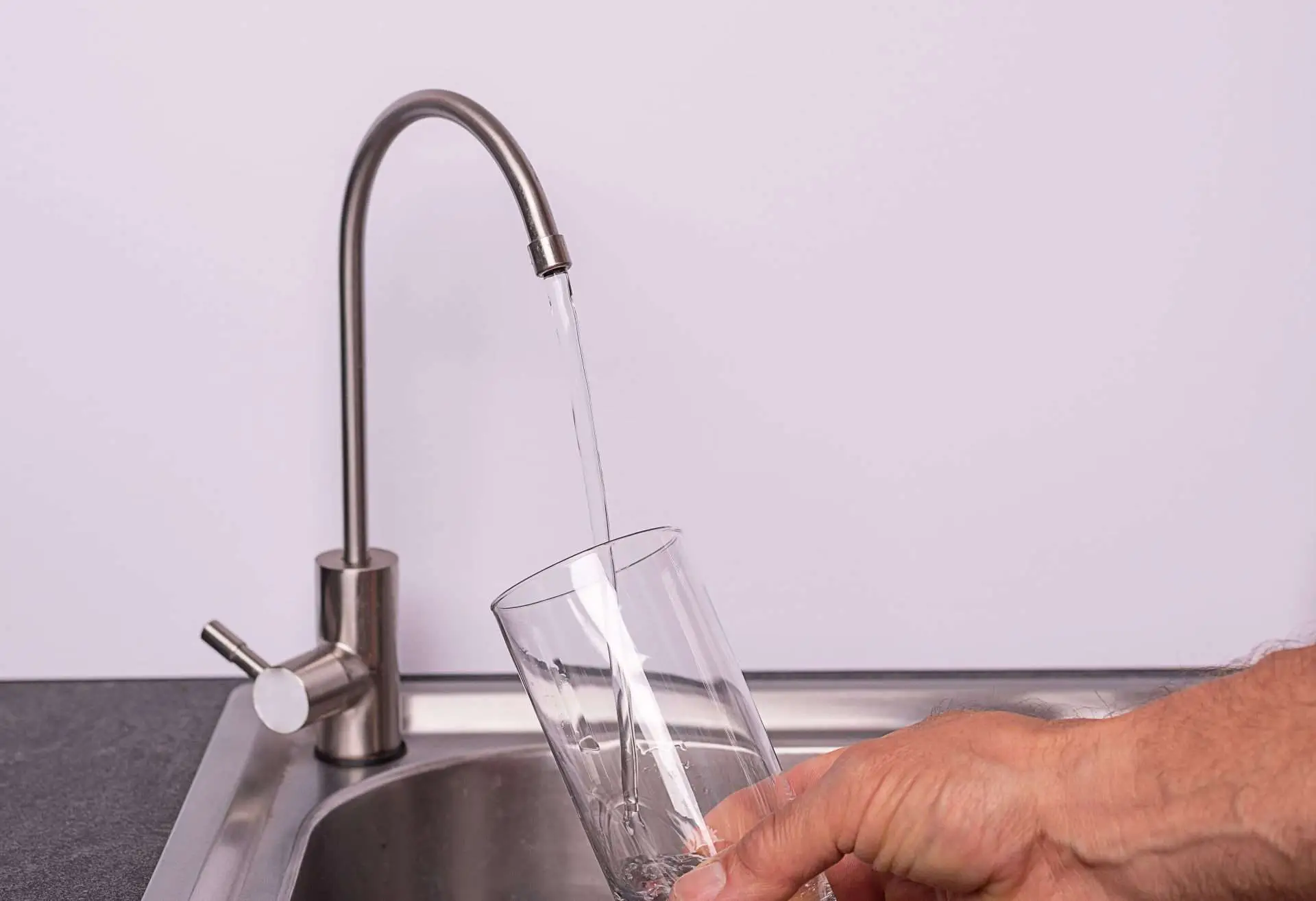
A properly maintained RO system provides treated water directly from a dedicated faucet. That convenience may reduce a household’s reliance on bottled water for everyday drinking.
4. Options for Different Household Needs
Residential RO systems come in tank-based and tankless designs. The right option depends on available space, household water demand, water pressure, and maintenance preferences.
5. Treatment That Can Be Customized
Depending on the water source, reverse osmosis can be combined with additional pretreatment or filtration stages.
For example, a private-well household may need to address sediment, iron, or hardness before water reaches the RO membrane.
Is Reverse Osmosis Better Than a Regular Water Filter?
Reverse osmosis is not automatically better for every water-quality concern. Different technologies are designed to address different problems.
- Carbon filters: Commonly used to reduce chlorine taste and odor and certain other substances, depending on certification.
- Reverse osmosis: Can reduce many dissolved contaminants through membrane separation.
- Water softeners: Reduce hardness minerals to address scale and related household problems.
- UV treatment: Inactivates certain microorganisms when properly designed and maintained but does not remove dissolved chemicals.
If your municipal water meets drinking-water standards and your only concern is chlorine taste, a certified carbon filter may be sufficient.
If testing identifies elevated nitrate or arsenic in a private well, a properly selected RO system may be more appropriate.
The best choice begins with understanding your water rather than choosing the most complicated treatment available.
Are Reverse Osmosis Systems Worth It for Western Washington Homes?
Reverse osmosis can be worthwhile for homeowners throughout Western Washington, but the benefits depend on the property’s water source and specific concerns.
Municipal water customers in communities such as Seattle, Bellevue, and Kirkland may have different treatment needs than private-well owners around Kingston, Poulsbo, and Bainbridge Island.
Public water systems are monitored under drinking-water regulations. Homeowners can review their utility’s water quality report to understand the water being supplied.
Private-well owners are generally responsible for arranging their own testing and monitoring. Groundwater quality can vary from one property to another, making individual testing especially valuable.
Whether your home uses municipal water or a private well, the goal should be to identify the problem before selecting the treatment.
What Are the Potential Drawbacks of Reverse Osmosis?
Although RO systems offer valuable treatment capabilities, homeowners should consider several practical factors before installation.
Water Efficiency
Reverse osmosis produces a wastewater stream during treatment. The amount varies significantly between models.
According to the EPA, some conventional point-of-use systems discharge five gallons or more for every gallon of treated water produced. WaterSense-labeled systems must meet a more efficient standard of no more than 2.3 gallons discharged per gallon of treated water.
Routine Maintenance
RO systems require periodic filter and membrane replacement. Overdue maintenance can reduce flow, affect water quality, and interfere with treatment performance.
Mineral Reduction
RO removes many dissolved minerals along with unwanted substances. Some homeowners prefer the taste of water with minerals added back through an optional remineralization stage.
Installation and Operating Costs
Costs depend on the system design, installation requirements, replacement filters, water use, and maintenance schedule.
Avoid choosing an RO system based only on claims that it produces the “purest” water. Compare certified contaminant reduction, water efficiency, maintenance requirements, and whether the system addresses a problem actually present in your water.
How Often Should You Replace Reverse Osmosis Filters?
Routine maintenance is essential for keeping a reverse osmosis system performing as designed.
Many residential RO systems require sediment and carbon filter replacement approximately every 6–12 months. RO membranes may last several years, depending on the system, water conditions, and usage.
Always follow your manufacturer’s specific replacement schedule.
Possible signs that your system needs attention include:
- Slower drinking-water flow
- Changes in taste or odor
- Overdue filter replacement dates
- Unexpected changes in measured water quality
- Leaks or unusual system operation
These symptoms do not necessarily mean the membrane has failed. A clogged prefilter, water pressure issue, or another maintenance problem may be responsible.
When contaminant reduction is important, appropriate follow-up testing can help confirm whether the system is performing as intended.
How to Choose the Right Reverse Osmosis System for Your Home
The best home water purification system is one that addresses your actual water-quality concerns without unnecessary complexity.
- Review your current water quality report or test results.
- Identify the specific contaminants you want to reduce.
- Verify NSF/ANSI 58 certification and applicable reduction claims.
- Compare water efficiency and look for WaterSense labeling.
- Consider daily drinking-water demand.
- Check available under-sink space and water pressure.
- Review replacement filter costs and schedules.
- Ask about installation and ongoing maintenance support.
Some households may benefit from more than one treatment technology. For example, a home with hard water and a drinking-water contaminant may need whole-home softening along with point-of-use RO treatment.
Other homes may only need a simple carbon filter.
A water-quality evaluation can help determine which option makes the most sense.
Local Water Treatment Expertise from Pure Water Northwest
Pure Water Northwest provides residential water treatment solutions in Western Washington, including communities throughout King and Kitsap counties.
Its residential offerings include reverse osmosis systems, water softeners, whole-home filtration, and water testing.
That range of options matters because a reverse osmosis system isn’t always the only or best solution.
A private-well property may require different pretreatment than a home using municipal water. Likewise, a homeowner dealing with scale throughout the house may need a softener rather than relying on an under-sink RO system.
Pure Water Northwest can help homeowners evaluate their water concerns, compare available treatment options, and understand the maintenance involved before choosing a system.
Frequently Asked Questions About Home Reverse Osmosis Systems
Are reverse osmosis systems worth it for home use?
Reverse osmosis can be worthwhile when homeowners want targeted drinking-water treatment, especially for contaminants that an appropriately certified RO system can reduce. If the only concern is chlorine taste, simpler carbon filtration may be sufficient.
Does reverse osmosis remove all contaminants?
No. Reverse osmosis can reduce many dissolved substances, but effectiveness depends on the system, contaminant, water chemistry, and maintenance. Always review the manufacturer’s independently verified reduction claims.
Is reverse osmosis water safe to drink every day?
Water from a properly selected, installed, and maintained reverse osmosis system is generally suitable for everyday drinking when the incoming water and treatment system are appropriate for the intended use. RO reduces dissolved minerals, but most people obtain essential minerals primarily through food.
Does reverse osmosis soften water throughout the house?
Most residential RO systems treat drinking and cooking water at a single location. They do not soften water throughout the home or prevent scale in every appliance. Whole-home hardness problems are typically addressed with a water softener.
How often should RO filters be replaced?
Many systems require certain filters to be replaced every 6–12 months, while membranes may last several years. Follow your manufacturer’s instructions because water conditions and usage affect replacement intervals.
Do reverse osmosis systems waste water?
Yes. Reverse osmosis produces a wastewater stream as part of the treatment process. WaterSense-labeled point-of-use RO systems meet EPA requirements for improved water efficiency compared with many conventional systems.
Should I test my water before installing reverse osmosis?
Testing or reviewing a current utility water quality report is a sensible first step. It helps identify whether reverse osmosis is necessary and which contaminant-reduction certifications your system should have.
Better Drinking Water Starts With the Right Treatment
Reverse osmosis systems can make a meaningful difference in drinking-water quality, particularly when a home needs treatment for dissolved substances that conventional filters may not adequately reduce.
But the goal isn’t to install the most complicated system available. It’s to find a solution that addresses your water conditions, fits your household, and is practical to maintain.
For some homeowners, reverse osmosis will be the right choice. For others, another filtration technology may be a better fit.
Ready to explore your options? Get a Free Consultation for Your Home’s Water Purification Needs with Pure Water Northwest and find out which treatment approach makes sense for your home.


