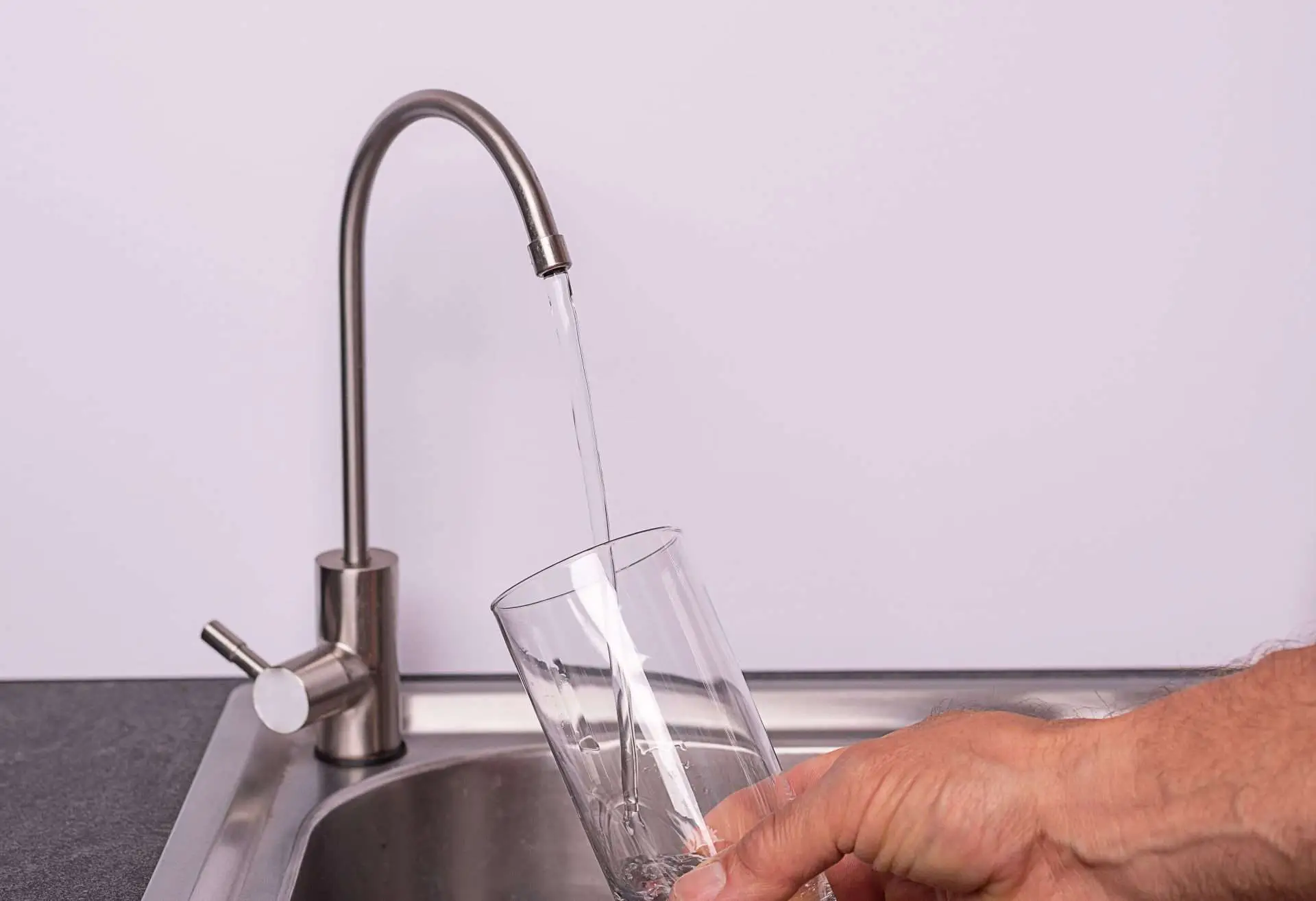


- Reverse osmosis systems for home significantly reduce dissolved salts and a wide range of contaminants for clean, great-tasting water.
- RO is one of the most effective forms of home water purification for improving taste, clarity, and safety when properly certified.
- Typical care: change pre/post filters every 6–12 months; RO membrane every 2–5 years; quick annual checkup to keep performance on-spec.
- Professional sizing and certification review ensure your RO water system for home matches your water chemistry and usage.
Want water that tastes crisp, smells clean, and gives you confidence straight from the tap? A reverse osmosis system for home use can help you get there. RO pushes water through a high-performance membrane to reduce total dissolved solids (TDS) and many contaminants—including arsenic, nitrates, PFAS, and VOCs—delivering pure, refreshing water for drinking, cooking, coffee, and ice.
We work with families across Kitsap County, Bainbridge Island, and the greater Seattle area every day, and we see the same concerns again and again: “Is my water safe? Why does it taste off? What’s the best option for my home?” At Pure Water Northwest, we test first, then tailor a solution—because no two households (or water sources) are exactly alike.
How Reverse Osmosis Works
Reverse osmosis (RO) forces water through a semipermeable membrane that allows water molecules through while rejecting many dissolved ions and organics. The result: water that tastes cleaner and is safer to drink. According to the U.S. EPA’s RO fact sheet and EPA WaterSense overview, point-of-use RO can reduce contaminants like arsenic, nitrates, PFAS, and VOCs—when the system is tested and certified for those specific claims.
Arsenic, Nitrates, PFAS & Other Concerns in Washington
Some contaminants are more common in our region than many people realize:
- Arsenic – Naturally occurring in some aquifers; long-term exposure carries health risks. Learn more in our local overview: Arsenic on Bainbridge Island.
- Nitrates – Often linked to agricultural runoff and septic systems. See our guide: Nitrates in Local Waters.
- PFAS – “Forever chemicals” gaining attention statewide. Washington is phasing in stricter standards; here’s what to know: PFAS in Washington State.
Important note: not every RO unit is certified for every contaminant. Always confirm the specific certifications for your water issues (look for NSF/ANSI 58 claims on the product’s performance data sheet). For a friendly primer, see why RO is the best drinking water solution for many homes, and get local context on Seattle tap water safety.
Why Homeowners Choose Reverse Osmosis
RO systems have become a trusted household upgrade for anyone who wants pure, refreshing water—without the bottled-water runaround.
- Improved taste & odor – Fewer dissolved salts and minerals (lower TDS) means no more bitter, salty, or metallic flavors. Many families prefer the clean taste of tap water over bottled water.
- Health protection – When properly certified, RO can reduce contaminants such as arsenic, nitrates, PFAS, and VOCs—adding peace of mind to every glass.
- Cost savings – Ditch the bottles. Many households save hundreds of dollars per year with an under-sink RO system while enjoying premium-quality water.
- Environmental benefits – Less plastic waste and fewer deliveries. You get great-tasting water right from the tap.
- Convenience – No more buying, hauling, or storing bottled water; better coffee, tea, cooking, and ice on demand.
Smarter, More Efficient RO Systems
Modern RO designs are easier to live with than older models. Recent WQA guidance highlights features such as:
higher-efficiency membranes, reduced water waste, smart monitoring, and longer component life—all of which lower ownership costs and simplify maintenance. For a deeper technical overview, see the WQA’s RO consumer fact sheet.
Maintenance You Can Expect
Like any water filtration system for home, RO works best with simple, scheduled care:
- Pre & post filters: replace every 6–12 months (more often in high-sediment areas).
- RO membrane: typically 2–5 years, depending on use and water quality.
- Annual checkup: a quick professional visit to verify flow, pressure, certifications, and leak-free operation.
Choosing the Right RO Water Filtration System for Your Home
There’s no one-size-fits-all solution. The best results start with a test—and a system that matches your water. Our team evaluates your water chemistry, usage, and goals, then recommends an NSF/ANSI 58-certified reverse osmosis system that’s properly sized and configured for your kitchen.
Want a quick overview before you chat with us? Here’s a practical guide on why RO is often the best drinking water solution for your home.
RO vs. Bottled vs. Tap: What’s the Difference?
| Option | What You Get | Ongoing Cost | Convenience |
|---|---|---|---|
| Tap (untreated) | Meets basic standards; taste varies; may include TDS and dissolved contaminants | Low direct cost | Always available |
| Bottled Water | Consistent taste; plastic waste; recurring purchases | $$ ongoing (adds up yearly) | Must buy/haul/store |
| RO at Home | Great taste; certified reduction of many contaminants; low TDS | $ initial + low upkeep (filters/membrane) | On tap, on demand |
What Seattle Homeowners Are Saying:
“Extremely pleased with my full house water filter & RO system. They know what they are talking about, and I appreciate that they know the area well, so they can recommend the right systems for what is in Seattle water specifically. Super knowledgeable team and great installer, Elias. I feel 100% better having their system installed at my house. Works flawlessly and gives me the best, tastiest water.”
– Bistra Anguelova, Google Local Guide
Take the Next Step for Cleaner, Safer Water
At Pure Water Northwest, we’re more than a water purification company—we’re your neighbors. Our team lives and works right here in Kitsap County, Bainbridge Island, and the greater Seattle area, so we know Washington’s water challenges first-hand. From arsenic in local aquifers to PFAS concerns and nitrates from agricultural runoff, we’ve tested, treated, and solved these issues for families just like yours.
When you work with us, you’re not just another customer. You’re part of the community we serve and care about. That’s why we handle the full process—water testing, system design, professional installation, and ongoing maintenance—to make sure your reverse osmosis system delivers safe, refreshing water for years to come. Our goal isn’t simply to improve your water today—it’s to give your family long-term peace of mind.
Book a Free Consultation for Your Home’s Water Purification Needs
Reverse Osmosis Systems for Home: FAQs
Does RO remove everything from water?
No system removes “everything.” Certified RO can reduce many contaminants (e.g., arsenic, nitrate, PFAS, VOCs) when listed on its certification. Testing your water first ensures your system targets the right issues.
How long do RO systems last?
With routine filter changes and occasional membrane replacement, an RO system can provide many years of service. A quick annual checkup keeps performance and certifications on spec.
Is RO water better than bottled water?
For many households, yes—RO provides excellent taste and certified contaminant reduction right at the sink, without the cost and plastic waste of bottled water.
Does RO fix hard water or protect appliances?
Reverse osmosis is most commonly used as a point-of-use system for drinking and cooking water, typically installed under the sink. While whole-home RO systems do exist, they are uncommon in residential settings because of their higher cost and water usage. Importantly, RO is not designed to treat hardness or prevent scale in plumbing and appliances—that’s where a water softener or other whole-home treatment is required.